Bingling Temple World Heritage Tourist Area
Introduction
The Bingling Temple World Heritage Tourist Area is an expansive cultural and ecological site located in the Gansu province in Northwest China. Spanning a vast area of 150 square kilometers, this prominent tourist destination is a site of significant historical and cultural interest. The area is renowned for its integration of natural beauty and rich cultural heritage, making it an ideal spot for ecological tourism, science education, and leisurely vacations. The tourist area is home to a range of attractions, including the Stone Grottoes of Bingling Temple, the Bingling Stone Forest, Bingling Lake, and the Yellow River Hydropower Expo Park. Each of these sites contributes to the area's reputation as a multifaceted destination, offering insights into both ancient and modern Chinese culture.
Located along a particularly picturesque section of the Yellow River, the Bingling Temple World Heritage Tourist Area is celebrated for its stunning natural scenery. This area lies within Yongjing county in the Linxia Hui autonomous prefecture, making it easily accessible to visitors intrigued by both cultural and natural wonders.
History
Establishment and Development
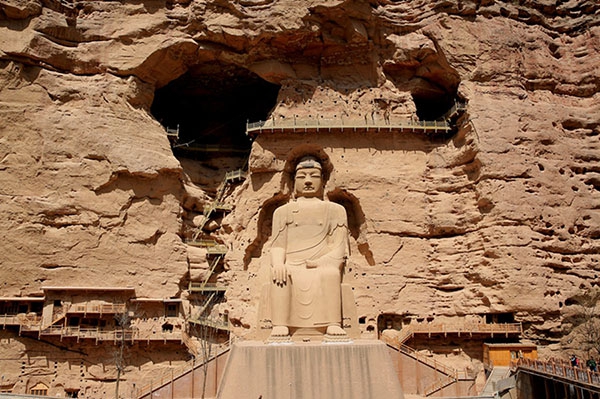
The Bingling Temple Grottoes, a central feature of the Bingling Temple World Heritage Tourist Area, have a storied history that stretches back more than 1,600 years. Established during a time of significant cultural and artistic development in China, the grottoes have evolved to become the largest stone grottoes in Gansu province. They are recognized as one of the six famous stone grottoes in China, highlighting their importance in the country's cultural heritage. Originally established during the Western Qin State, the grottoes have grown to encompass 216 extant grottoes, 815 stone statues, a 1,000-square-meter mural, 56 stupas, and 438 cultural relics.
The grottoes are particularly noted for containing the earliest well-preserved statue inscription in China, which dates back to 420 CE. This inscription was discovered in the No. 169 grotto and, along with the statues and murals, provides critical evidence for understanding the early history of stone statues and inscriptions in China. Over the centuries, the grottoes have continued to grow and evolve, reflecting the dynamic changes in Chinese religious and cultural practices.
Cultural Significance
The Bingling Temple Grottoes hold immense cultural significance due to their historical, artistic, and academic value. Dubbed "the encyclopedia of stone grottoes," they offer a comprehensive view of the development of stone grottoes and sculpture art in China. The murals and stone statues present in the grottoes span various historical periods, providing a unique visual narrative of China's artistic evolution. The site's status as a World Heritage component of the Silk Road: the Routes Network of Chang'an-Tianshan Corridor further underlines its international cultural importance. As a national foremost protected cultural heritage site, the Bingling Temple Grottoes continue to attract scholars, historians, and art enthusiasts from around the world, eager to explore and study its treasures.
Geography and Location
The Bingling Temple World Heritage Tourist Area is situated in Yongjing county, within the Linxia Hui autonomous prefecture of Gansu province. This strategic location along the upper reaches of the Yellow River provides the area with its breathtaking natural scenery. The Yellow River, one of China's most significant waterways, enhances the area's ecological value, offering visitors a chance to enjoy both cultural and natural attractions in a single visit.
The area is characterized by its diverse geographical features, including the expansive Bingling Lake, which holds the title of the largest artificial freshwater lake in northwestern China. The surrounding Bingling Stone Forest and the Yellow River Hydropower Expo Park add to the area's allure, offering a mix of geological and technological points of interest. The integration of these natural and man-made features makes the Bingling Temple World Heritage Tourist Area a unique destination that combines cultural heritage with ecological tourism.
Architectural Features
Design and Structure
The architectural features of the Bingling Temple Grottoes are a testament to the intricate craftsmanship and artistic vision of ancient Chinese artisans. The grottoes are carved into the cliffs along the Yellow River, creating a dramatic and awe-inspiring setting for the site's many statues and murals. The design reflects a blend of Buddhist influences, with the iconography and style of the carvings illustrating the spread of Buddhism along the Silk Road.
The grottoes' layout and construction exhibit a high degree of planning and skill, with each grotto serving a specific religious or commemorative purpose. The statues and stupas within the grottoes vary in size and style, showcasing the evolution of Buddhist art and the integration of local cultural elements. The murals, which cover large sections of the rock face, depict scenes from Buddhist scriptures, historical events, and everyday life, offering a window into the spiritual and secular worlds of ancient China.
Notable Monuments
Among the numerous features of the Bingling Temple Grottoes, several notable monuments stand out due to their historical and artistic significance. The No. 169 grotto, for instance, houses the earliest known statue inscription dating back to the Western Qin State. This inscription is a crucial piece of evidence for dating the early stages of stone statue development in China. Additionally, the grottoes contain a variety of statues, ranging from small, intricately carved figures to large, imposing sculptures.
The murals, covering a total area of 1,000 square meters, are another highlight of the site. They are renowned for their vivid colors, intricate details, and the storytelling elements that convey both religious narratives and historical accounts. These artworks provide valuable insights into the artistic techniques and cultural influences that shaped the region over the centuries.
In summary, the Bingling Temple World Heritage Tourist Area is a remarkable blend of natural beauty and cultural heritage, offering visitors a unique opportunity to explore China's rich history through its architectural and artistic marvels.








